We are a community interested in social transformation from a place of emotional grounding, creativity, co-creation, and care. We work with partners and communities around the world to co-create learning journeys, participatory inquiries, and collective experiences.

Recrear is a community where people with a social itch come together to connect, recharge, co-create knowledge and manifest new realities within ourselves, our communities, and humanity.

We envision a world in which we can each feel, understand, care for and transform ourselves and our communities in connection with others and our nature.
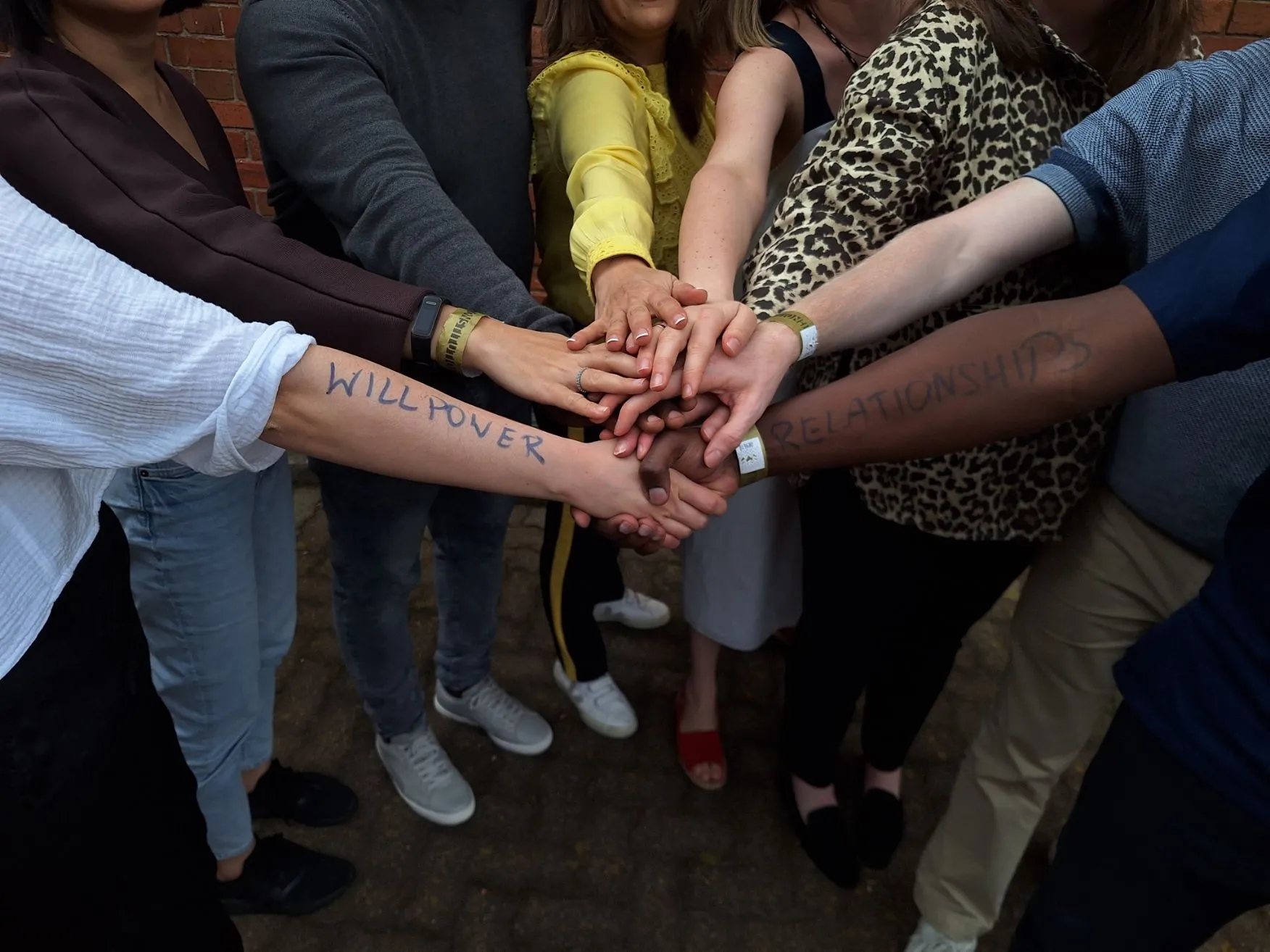




We like to witness and accompany all sorts of groups. We like the beauty and messiness that forms when people come together.
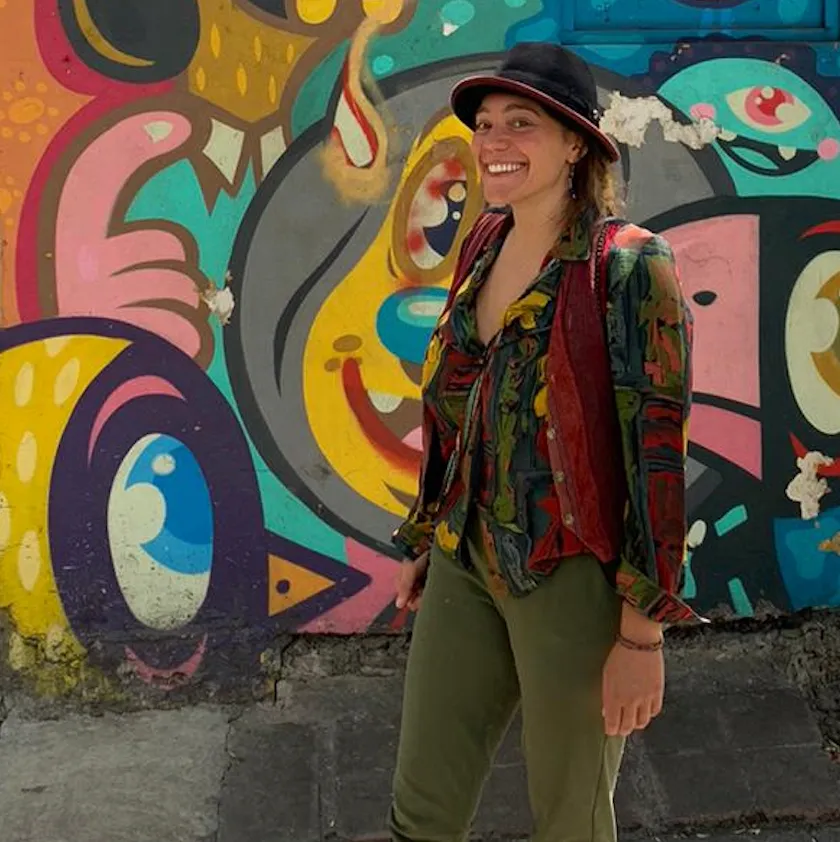
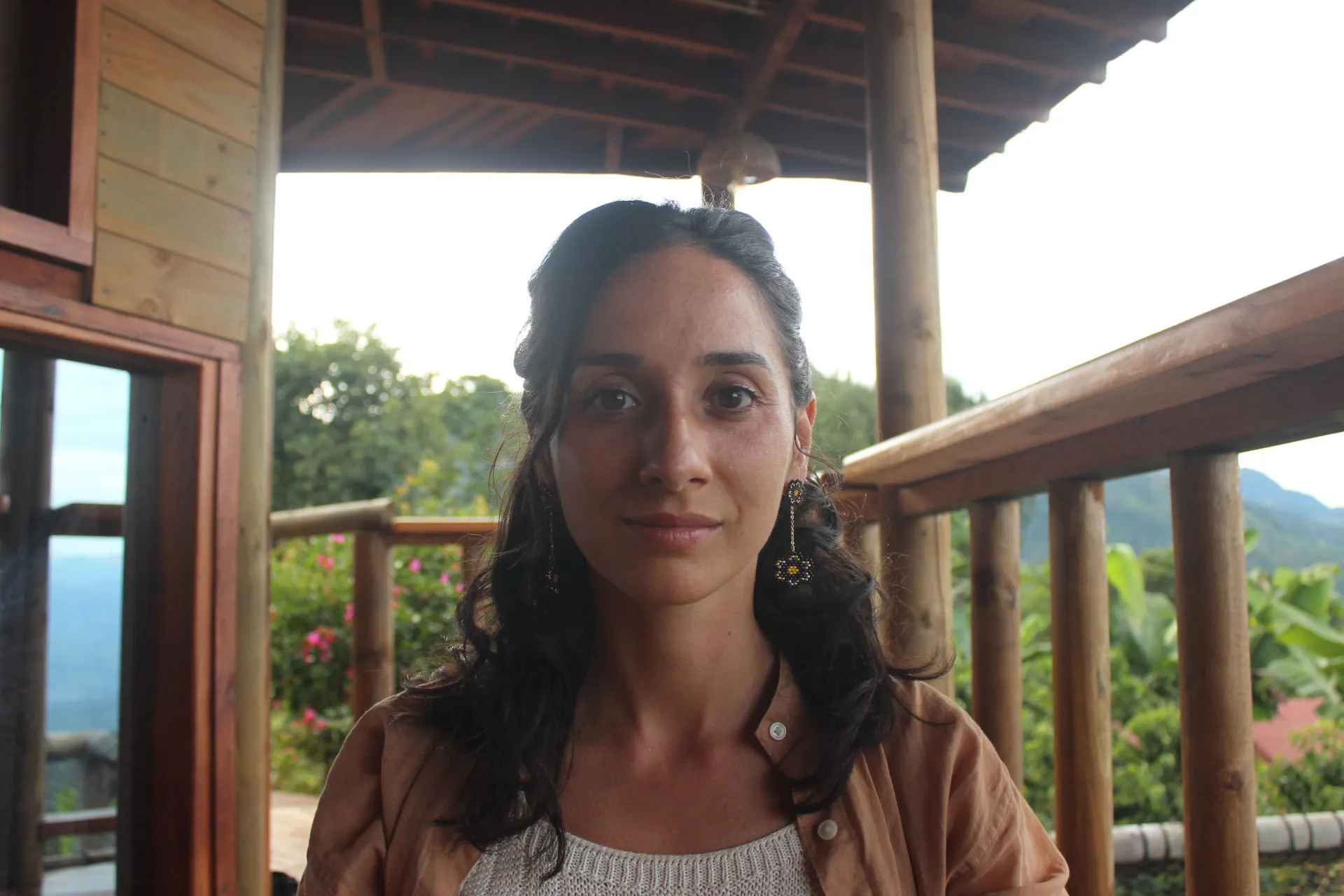
We are bringing in different disciplines and perspectives. Our team is very diverse and we bring together different worlds (Action Research, academia, activists, artists, healers, coaches).
We weave together a constellation of activists, communities, groups and institutions of all sorts. We approach partnerships with a shared commitment to imagining new systems and creating the futures we want.
We cultivate our team by accompanying our own learning journeys. We are testing on ourselves new ways of collaborating.
We don’t like to work in automatic gear. We work like an artisan boutique – We like to take on only the projects we can chew and we focus on tailored design and quality.
We value pushing through the fear of creating intimate spaces with others. We open the space for raw emotions so we can accompany each other deeply.
We work with art and movement techniques to hold space for self and collective discovery.

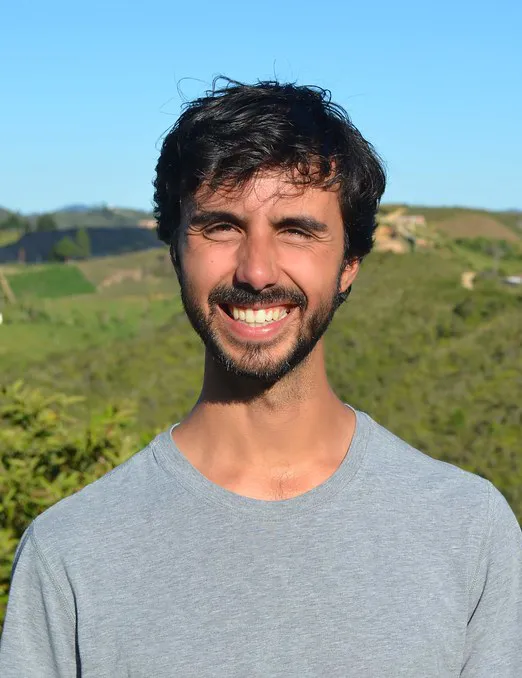
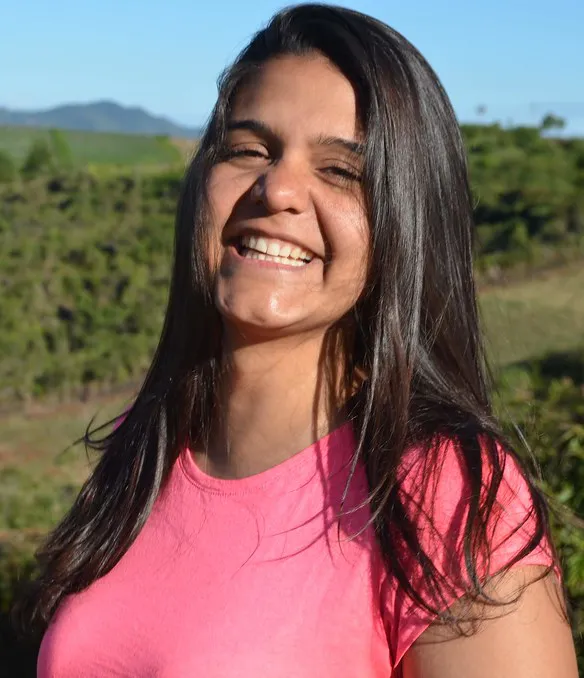
What began as a three-week residency of activists and practitioners from around the world became an inquiry into how we come together to understand, feel, and transform our communities. Our first steps were somewhat naïve. We offered workshops in partnership with youth groups in many places, where we encountered not only the resilience of communities, but also how organizations committed to social change, often referred to as civil society, overlooked people’s lived experiences. Two years into our journey, we realized we were beginning to replicate this same dynamic.
So we asked ourselves what it would mean to accompany others through an intimate process of unpacking and weaving together our different experiences. We worked with the belief that through creative practices that invite different ways of knowing, we can see our reality more fully and hold its complexity with curiosity. From this collective observation, new possibilities for action emerge. We began practicing participatory action research before we even knew it had a long and rich history.
Our first year-long projects took place in Ecuador, Cuba, and later Colombia. We explored how young people perceive participation in civil society, how they engage with climate change adaptation strategies, and how resources shape the culture of youth groups and movements. These experiences became the foundation for our approach. Along the way, we continued to organize residencies, retreats, and short courses, while refining our ways of working and slowly learning to inhabit the worlds we so urgently need.

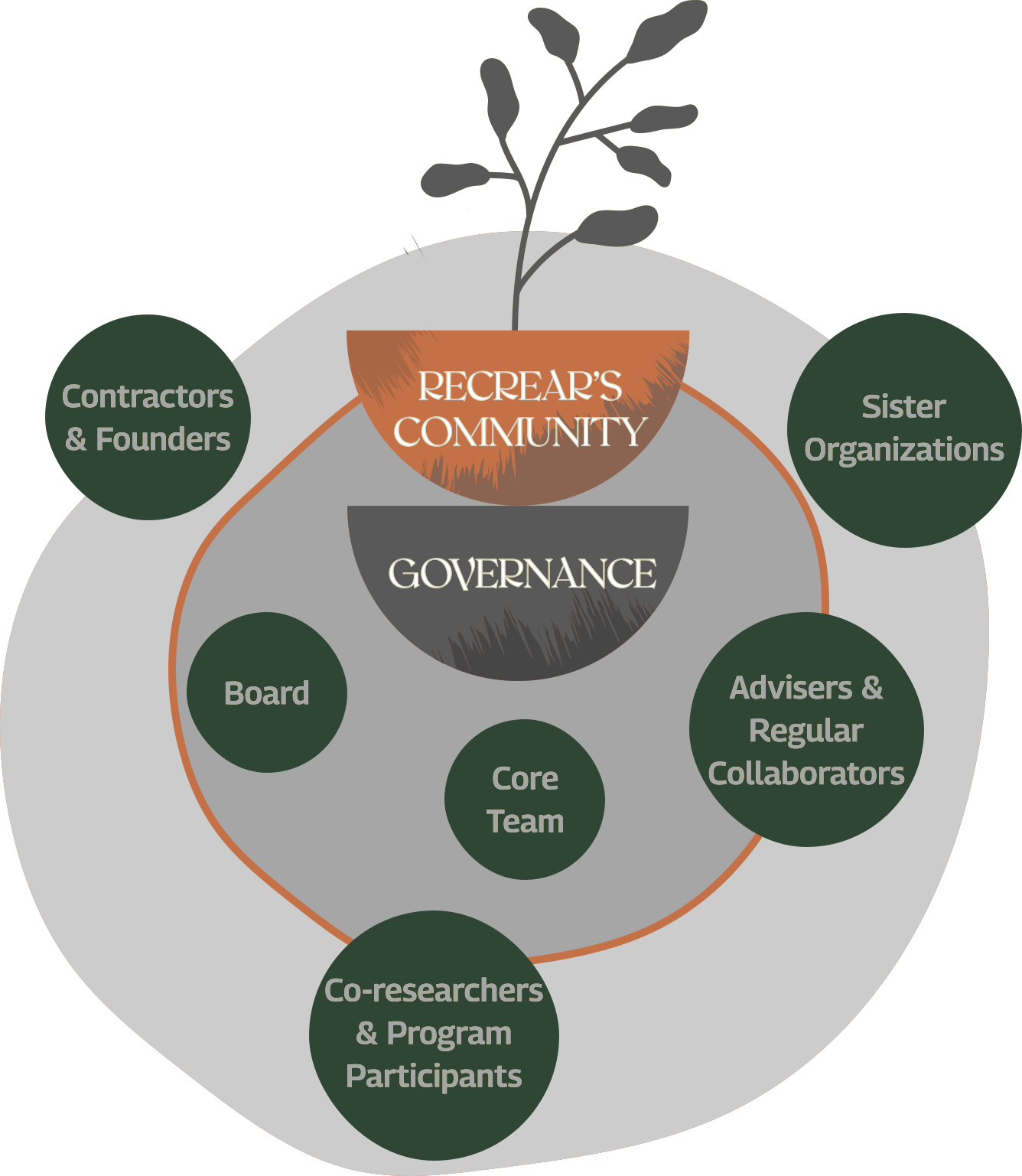
Recrear’s ecosystem is composed of all the people that make up our community. Our strategic decisions are taken in collaboration with our board and core team. We invite advisers, programme participants, and collaborators to take part in our strategic decision making whenever our decisions would affect them directly, or when further skills/knowledge are needed.
We cultivate a regenerative culture within the organization. We care, value and listen to each other. We recognize each other’s contributions and emotions.
We cultivate a learning culture. We allow time for providing feedback, digesting our organizational learning, speaking our thoughts and transforming tensions.
We are transparent in how and what decisions are taken. There is clarity about who can make what kind of decisions based on the level of involvement and skills; and what kind of responsibilities are linked to it.
Decisions should be made by those affected by them, those implementing them, and those with the required skills/knowledge.
The decision-making model shall maximize the agency of Recrear’s members. This includes time for input, ability to take decisions within one’s role, possibility to take risks/learn from them, and the possibility to change the level of involvement.